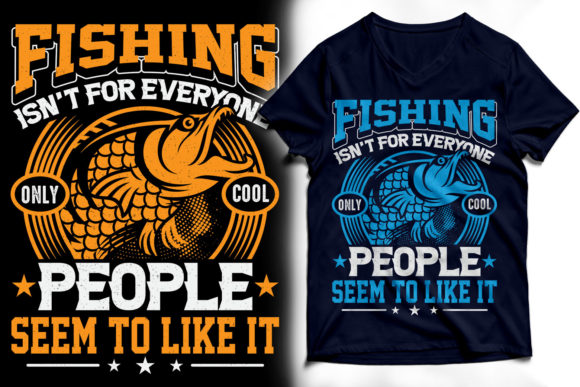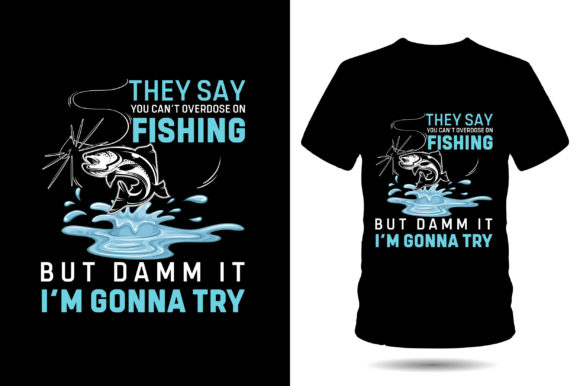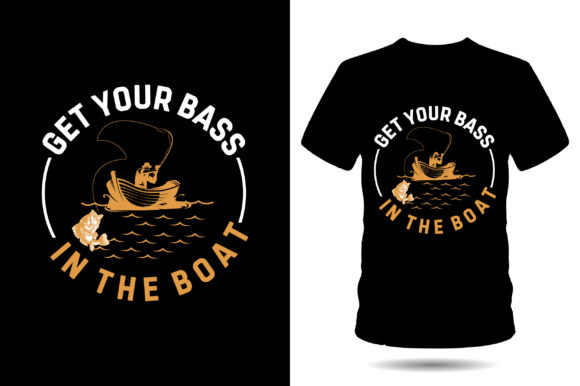
Fishing T-shirt Design 5: A Practical Embroidery Review
First Impressions: Friendly, Clear, and Ready for Real Fabric
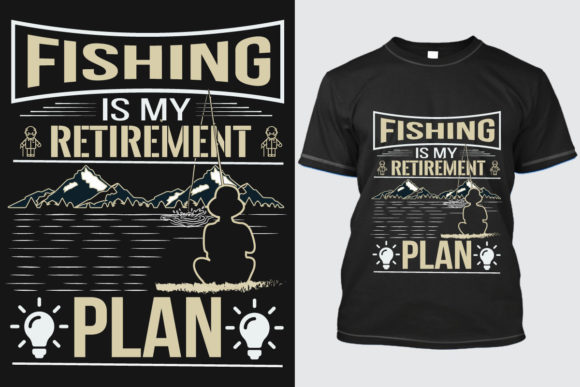
When I opened Fishing T-shirt Design 5, my first thought wasn’t “cute” or “trendy”—it was “this will stitch cleanly.” The layout feels balanced: a central fishing motif with subtle supporting elements—maybe a hook, a bobber, or a stylized wave—without overcrowding. It’s not overly detailed, but it’s not generic either. There’s personality in the line weight and spacing, which tells me it was drawn with embroidery in mind—not just as a flat graphic. That matters. As someone who’s stitched hundreds of digital designs onto everything from baby onesies to heavy-duty aprons, I know how often a “T-shirt design” falls apart under needle and thread. Fishing T-shirt Design 5 doesn’t feel like that.
A Real-World Test: Embroidering a Canvas Tote for a Local Fish Hatchery Gift Shop
Last week, I used Fishing T-shirt Design 5 on a natural canvas tote bag for a small conservation-themed boutique. They needed something warm, approachable, and recognizably nautical—but not cartoonish. No anchors, no fish skeletons, no over-the-top slogans. Just quiet confidence in the craft. We hooped medium-weight tear-away stabilizer, ran a test on scrap fabric first (non-negotiable), and chose navy thread on oat-colored canvas. The result? Crisp edges, no puckering, and zero floaters in the satin stitch areas. Customers noticed it immediately—not because it shouted, but because it looked *made*, not printed. That’s the difference between a graphic and a true embroidery file.
Where It Shines—and Where It Needs Thought
Fishing T-shirt Design 5 works especially well for:
- Custom apparel: t-shirts, sweatshirts, and lightweight jackets where clean lines read clearly at arm’s length
- Embroidered patch production: its moderate size and open negative space make it stable when cut and backed
- Baby embroidery: gentle shape, no tiny interior details that vanish on 3-month-old onesies
- Holiday embroidery: think Father’s Day caps, fishing-themed tea towels, or nursery pillow covers—it’s seasonal without being dated
- Small shop product: pairs naturally with hand-dyed fabrics, organic cottons, and minimalist branding
But be thoughtful with placement and fabric choice. On stretchy fabric, like jersey tees, you’ll want cut-away stabilizer—not just tear-away—to prevent distortion. On dark fabric, check that light-colored thread choices still deliver enough contrast in fill stitch areas. And avoid using it near seams or curved surfaces (like cap fronts) unless you’ve confirmed the hoop size fits comfortably and the design avoids tight corners where thread tension can snag.
What This Design Says About Your Brand—Before a Single Stitch
Your customers don’t see “digital embroidery file.” They see trust. When Fishing T-shirt Design 5 lands cleanly on a handmade apron or a personalized gift, it tells them you pay attention—not just to aesthetics, but to execution. That builds repeat business. For Etsy sellers and craft fair vendors, this kind of reliability means fewer returns, better reviews, and stronger visual cohesion across listings. I’ve seen too many shops undermine their handmade presentation with pixelated mockups or poorly digitized graphics. Fishing T-shirt Design 5 avoids that trap. Its proportions support strong printable mockup use, and it holds up in black-and-white previews—critical for email newsletters or social ads where color isn’t guaranteed.
Practical Embroidery Designer Notes You Can’t Skip
Before stitching Fishing T-shirt Design 5 into your next project, do these five things:
- Test on scrap fabric—same type and weight as your final piece, with the same stabilizer
- Check thread color contrast on both light and dark backgrounds; some fill stitch areas may need denser coverage for legibility
- Review stitch density—if it’s high in small zones, consider reducing density slightly for breathable fabrics like baby clothes
- Confirm hoop size compatibility, especially if planning for caps or curved garments
- Verify licensing before selling finished items or bundling it into your own digital product offerings—since it’s listed as a T-Shirt Design and Graphics file, confirm whether commercial use is permitted
Also: inspect small details closely. Does the hook’s curve hold? Do any running stitch accents disappear on textured fabric? If you’re offering this as part of a craft business collection—say, a “Fishing Lover’s Bundle” with matching patches and tea towel designs—make sure those elements align visually and technically.
Final Thought: Not Just Another Graphic—A Reliable Design Asset
Fishing T-shirt Design 5 isn’t flashy. It won’t go viral for its novelty. But it’s the kind of design that earns quiet respect—stitched neatly on a dad’s work shirt, framed in a nursery, or embroidered on a volunteer’s tote at a river cleanup. It supports intention over impulse, craftsmanship over convenience. For embroidery designers, Etsy sellers, and small shop owners building real relationships with real customers, that consistency matters more than ever. Use it thoughtfully, test it thoroughly, and let the clarity of the stitch speak for itself.