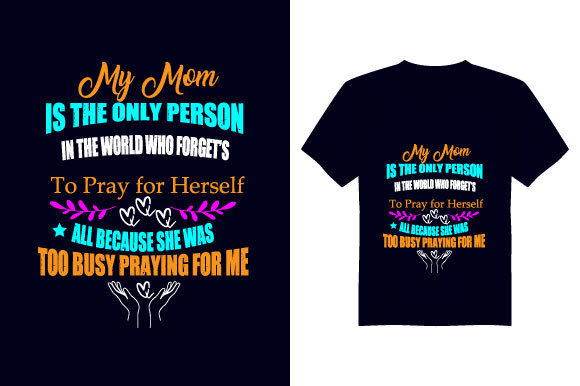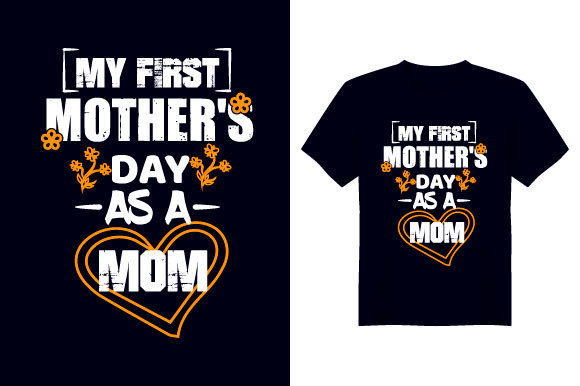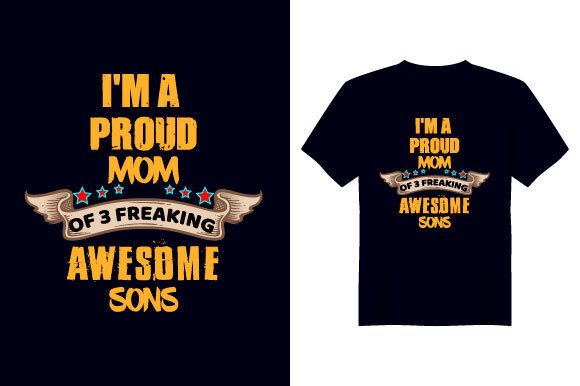
Mother Day T Shirt Design
First Impression: Sweet, Simple, and Stitch-Ready
When I opened the Mother Day T Shirt Design ZIP file and previewed the PNG at 4500×5400 pixels (300 dpi), my first thought wasn’t “cute”—it was “clear.” The layout breathes. There’s no visual clutter, no overwrought script or tangled florals—just clean lines, balanced negative space, and a gentle, heartfelt motif that reads instantly as maternal warmth. It feels like something you’d embroider on a soft cotton baby onesie for a newborn photo shoot, or stitch onto a linen tea towel for a boutique Mother’s Day gift set. Not flashy. Not fussy. Just sincere—and that sincerity translates directly into stitching confidence.
A Real Project Test: Embroidering It on a Linen Tote Bag
Last week, I used the Mother Day T Shirt Design for a small-batch order: six custom linen tote bags for a local nursery boutique. I chose the SVG file for vector scalability, imported it into my embroidery software, resized it to 4.2 inches wide (a comfortable fit for a standard 5×7 hoop), and digitized a light fill-stitch base with satin-stitched outlines for the central phrase. The result? Crisp edges, even tension, and zero thread breaks—even on linen’s slightly uneven weave. Customers loved how the design sat quietly but meaningfully on the bag’s front panel—not shouting, just smiling. That’s the quiet strength of this Print Templates asset: it supports the product, not overshadows it.
Where It Shines in Real Embroidery Use
- Custom apparel: Works beautifully on crewneck sweatshirts and relaxed-fit tees—especially when stitched with matte poly thread for a soft, lived-in feel.
- Baby embroidery: Its moderate size and open spacing make it ideal for onesies and burp cloths—no risk of stiff, bulky stitch clusters near delicate skin.
- Embroidered patch: Clean outlines and minimal interior detail mean it stitches cleanly on twill or felt backing, then bonds well to denim jackets or backpacks.
- Holiday embroidery & personalized gifts: Paired with a simple monogram or birth month flower, it becomes a layered yet cohesive keepsake—not just a holiday stamp.
- Craft business & Etsy seller use: The included AI and EPS files let you easily adapt colors or scale for listings; the high-res PNG helps create trustworthy printable mockups without pixelation.
Where to Pause and Plan Ahead
This isn’t a one-size-fits-all embroidery file—and that’s okay. The Mother Day T Shirt Design asks for thoughtful execution, especially on:
- Small hoop sizes (under 4×4): At full scale, fine details may compress. Resize down *before* digitizing—or simplify inner elements manually.
- Textured or stretchy fabric: On terry cloth towels or jersey knits, use cutaway stabilizer + basting stitch. The design’s open areas can ripple if unsupported.
- Dark fabric: The PNG preview looks lovely on white—but test thread contrast carefully. Light ecru or heather gray thread often reads warmer and more natural than stark white on charcoal or navy.
- Curved surfaces (caps, curved aprons): Avoid placing the full design across seams or crowns. Center it on the front panel where the surface is flattest.
- Frequent-wash items (baby clothes, kitchen towels): Confirm stitch density isn’t too low—running stitch alone won’t hold up. A light fill base adds durability without stiffness.
What It Adds to Your Finished Product—Beyond the Thread
Using the Mother Day T Shirt Design doesn’t just add decoration—it adds intention. When customers see that clean, confident stitch work on a handmade product, they register care. Not perfectionism—care. That distinction matters for Etsy sellers building trust, craft fair vendors handing over a gift-wrapped pillow cover, or small shop owners curating a seasonal collection. It also supports brand consistency: whether you’re selling embroidered tea towels or custom baby blankets, this design carries a unified tone—warm, grounded, quietly elegant. And because it avoids trend-driven clichés (no cartoon hearts, no glitter fonts), it stays relevant beyond May—it works just as well for “Grandma’s Day” or “Family Keepsake” collections.
Practical Notes Every Embroidery Designer Should Check
- Test on scrap fabric first—especially if using textured, dark, or knit materials. See how the satin stitch settles and whether fill areas breathe or flatten.
- Review stitch density in your software. If the original digitization isn’t included, build from the vector with medium-density fill (6–8 spm) and 0.3mm satin borders.
- Confirm hoop size compatibility before prepping production. This design scales well—but always measure your largest intended version against your machine’s max hoop.
- Inspect small details at 200% zoom: letter spacing, curve smoothness, and corner joins all impact clarity when stitched small.
- Test black-and-white mockups to assess value contrast—critical for gift buyers scanning listings on mobile.
- Compare light vs. dark fabric backgrounds using your PNG preview. Adjust thread palette accordingly—not just for visibility, but for emotional resonance.
- Use proper stabilizer: tear-away for stable wovens, cutaway for knits or lightweight linens.
- Verify licensing before selling finished items or reselling the digital embroidery file. As a Graphics asset, its commercial use terms must be confirmed directly with the source.
Final Thought: A Design That Respects the Maker and the Moment
The Mother Day T Shirt Design doesn’t try to do everything. It does one thing well: offer a sincere, stitchable expression of appreciation—one that enhances rather than competes with the handmade product it lives on. Whether you’re embroidering a single personalized gift or scaling for a small shop launch, it gives you room to focus on craftsmanship, not crisis-solving. That’s rare. And valuable. Keep it in your go-to folder—not as filler, but as foundation.