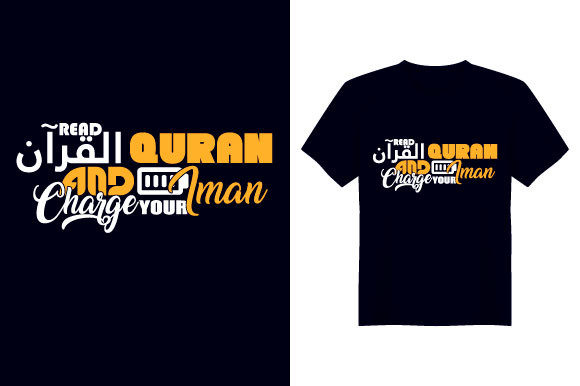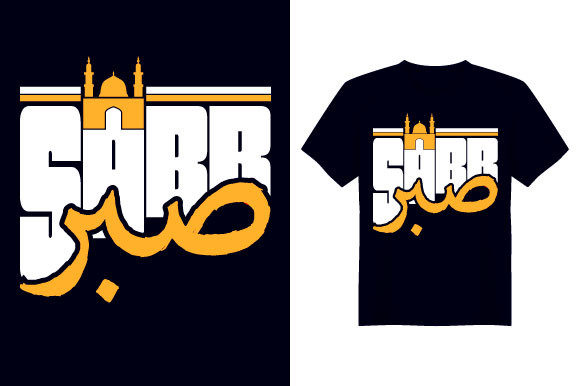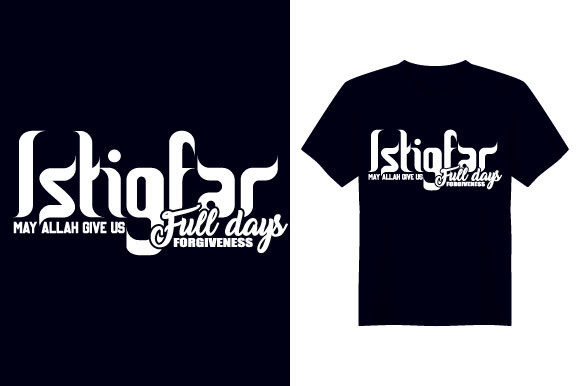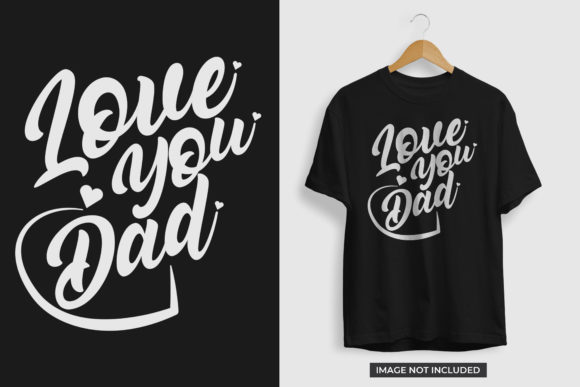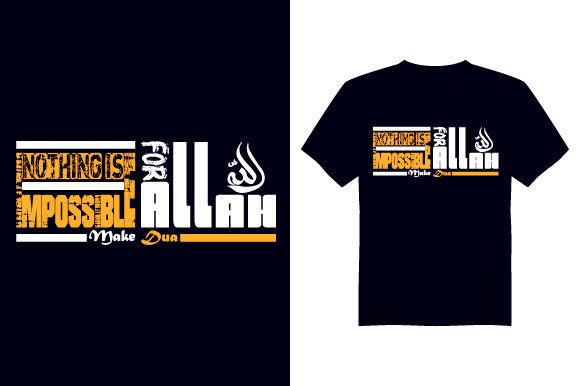
Nothing is Islamic T-Shirt Design: Graphics & Print Templates
As a brand designer who’s developed visual identities for over 30 local businesses—from artisanal candle studios and halal-certified spice shops to children’s clothing boutiques and neighborhood coffee roasters—I recently evaluated Nothing is Islamic T-Shirt Design for potential use in a real-world branding project. Specifically, I was scoping assets for “Saffron & Sage,” a small-batch herbal tea brand launching seasonal Ramadan gift boxes. Here’s my unfiltered, practical assessment—not as marketplace copy, but as a working creative evaluating a graphic design asset for actual small business branding, packaging design, and promotional material use.
First Impression: Warm, Thoughtful, and Quietly Confident
The Nothing is Islamic T-Shirt Design lands with gentle authority—not loud, not ornate, but deeply intentional. It reads as modern design with cultural resonance: clean linework, balanced negative space, and subtle calligraphic rhythm. It feels neither overly traditional nor trend-chasing—more like a quiet nod to heritage, designed for today’s conscious consumer. For Saffron & Sage, it immediately suggested warmth, authenticity, and mindful craftsmanship—perfect for a brand rooted in ritual, wellness, and community gifting. It’s not playful or whimsical; it’s grounded, respectful, and quietly elegant—ideal for handmade business owners, food labels, boutique visuals, and premium product mockups.
Where This Graphic Design Asset Earns Its Keep
In practice, Nothing is Islamic T-Shirt Design shines where emotional tone and cultural alignment matter most:
- Product labels and packaging accents—Used as a foil stamp on kraft tea tins or debossed onto linen gift tags, it adds tactile distinction without cluttering.
- Hero graphics for social media graphics—Scaled cleanly across Instagram carousels and Facebook cover images, it anchors campaign visuals with calm consistency.
- Printable design elements for thank-you cards and inserts—Its vector-ready structure holds crisp detail at any size, making it ideal for letterpress-style printed inserts inside subscription boxes.
- Seasonal packaging and boutique visuals—Paired with muted sage greens and cream paper stocks, it elevates Eid gift sets far beyond generic clipart.
- Promotional banners and menu graphics—At a local café pop-up, we used a simplified version as a border element on chalkboard-style digital menus—adding identity without overwhelming the food photography.
It strengthens first impression, sharpens product recognition, and supports clearer visual hierarchy—especially when layered thoughtfully beside hand-set type or natural textures. For local business owners juggling DIY design, this asset delivers professional branding without demanding expert illustration skills.
Where Caution Is Essential
This isn’t a universal solution—and that’s its strength. Nothing is Islamic T-Shirt Design should be used carefully in contexts where clarity, neutrality, or minimalism is non-negotiable:
- Formal corporate branding—It doesn’t suit law firms, accounting services, or B2B SaaS platforms needing strict typographic gravitas.
- Very small labels or ingredient-heavy layouts—Its rhythmic line work can compete with dense regulatory text on food packaging.
- Luxury minimalist brands—If your aesthetic relies on absolute restraint (e.g., monochrome sans-serif + whitespace only), this adds intentional warmth—but may dilute stark elegance.
- Low-contrast backgrounds—Test rigorously on light beige or soft grey substrates; some PNG versions lack sufficient edge contrast for reliable readability.
Practical Brand Designer Notes You Can’t Skip
Before committing to Nothing is Islamic T-Shirt Design for client work or physical product sales, run these checks:
- Test it on real packaging mockups—not just digital previews—to assess scale, bleed, and texture interaction.
- Check black-and-white usage: Does the line weight hold up in single-color print? Some SVG exports thin out unexpectedly.
- Preview it on small labels (under 1.5” width) to confirm legibility and proportion.
- Test it alongside your brand colors—especially warm neutrals, deep indigos, or terracotta tones common in handmade business palettes.
- Compare it side-by-side with competitor packaging: Does it stand apart without shouting?
- Verify print quality at 300 DPI—some marketplace PNGs are upscaled and pixelate on high-res label printers.
- Inspect SVG or vector editability: Can you adjust stroke weight or isolate elements for custom layouts?
- Test it beside serif, sans serif, script, handwritten, and display fonts—its rhythm pairs beautifully with organic serifs (e.g., Playfair Display) but can clash with tight geometric sans (e.g., Montserrat ExtraBold).
- Confirm commercial licensing: This is a digital product from a creative marketplace—you must verify it permits use on physical goods, resale items, and client-facing branding before deploying in packaging design or social media graphics.
A Strategic Fit for Purpose-Driven Local Brands
Nothing is Islamic T-Shirt Design isn’t decorative filler—it’s a considered editorial design element with narrative weight. When applied intentionally—as part of a broader brand identity system—it builds customer trust by signaling intentionality, cultural fluency, and respect for context. For small business branding, it transforms generic packaging into something memorable; for seasonal campaigns, it adds cohesion without cliché; for social media graphics, it grounds messaging in visual sincerity.
Whether you’re designing for a halal skincare line, a family-run date shop, a children’s book publisher, or a floral studio curating Eid arrangements—this graphic design asset earns its place not as a standalone logo design, but as a meaningful, reusable component of thoughtful, locally resonant marketing visuals. Used well, it helps your product stand out on shelf, linger in memory, and connect—not just sell.